Table of Contents
- Introduction: Defining “Breathability” in a Synthetic World
- 1.1. The Consumer Perception vs. Technical Reality
- 1.2. Why Breathability Matters Across Your Supply Chain
- The Science of Moisture and Air Flow: Core Principles
- 2.1. The Two Pathways: Vapor Transmission vs. Air Permeability
- 2.2. The Hydrophobic Challenge: Polyester’s Innate Property
- 2.3. Measuring Breathability: Key Test Standards (ASTM, ISO, JIS)
- Fabric Engineering: Variables That Control Breathability
- 3.1. Yarn-Level Engineering
- 3.1.1. Filament vs. Staple: A Structural Difference
- 3.1.2. The Microfiber Revolution: Increasing Surface Area
- 3.1.3. Yarn Twist and Its Impact on Fabric Porosity
- 3.2. Fabric Construction: The Architecture of Airflow
- 3.2.1. Weave and Knit Patterns: A Comparative Analysis
- 3.2.2. Fabric Density and Cover Factor
- 3.2.3. Weight (GSM) as an Indirect Indicator
- 3.3. Finishing and Functional Treatments
- 3.3.1. Moisture-Wicking Finishes: How They Work
- 3.3.2. Hydrophilic Treatments: Changing the Fiber’s Nature
- 3.3.3. Coatings and Laminations: The Breathability Trade-Off
- 3.1. Yarn-Level Engineering
- Comparative Data and Performance Tables
- 4.1. Table 1: Breathability Benchmarking by Fabric Type
- 4.2. Table 2: Impact of Key Engineering Variables on MVTR and Air Permeability
- 4.3. Case Study: Performance Data for Common Sportswear Constructions
- Strategic Application: Matching Fabric to End-Use
- 5.1. High-Intensity Sportswear: Maximizing Moisture Management
- 5.2. Casual Apparel and Fashion: Balancing Comfort with Aesthetics
- 5.3. Technical and Industrial Textiles: Specialized Requirements
- 5.4. Home Textiles (Curtains, Upholstery): Focus on Air Permeability
- Advanced Innovations and Future Trends
- 6.1. Biomimetic Fabrics and Channeled Fibers
- 6.2. Phase Change Materials (PCMs) and Adaptive Breathability
- 6.3. Sustainable Polyester and Its Performance Profile
- Procurement Guidelines: Specifying for Breathability
- 7.1. Key Questions to Ask Your Fabric Supplier
- 7.2. Interpreting Technical Data Sheets (TDS)
- 7.3. Cost vs. Performance Analysis
- Conclusion: Breathability as a Value Proposition
1. Introduction: Defining “Breathability” in a Synthetic World
A Technical and Commercial Guide to the Breathability of Polyester Fabrics
For procurement managers and product developers, the term “breathability” is a powerful yet often misunderstood selling point. In the context of polyester fabrics, it does not refer to the fiber’s ability to absorb moisture like cotton. Instead, it describes a fabric’s capacity to facilitate the movement of water vapor (perspiration) and air from the body to the external environment. In a global market driven by performance, comfort, and technical innovation, understanding and specifying breathability is not optional-it’s a core competency.
This guide demystifies the science behind polyester’s breathability, providing a data-driven framework for making informed material choices. We will dissect the engineering variables, present comparative performance data, and offer strategic insights for applications ranging from high-performance sportswear to durable home furnishings, empowering you to source and develop products that meet the exacting demands of today’s consumers.
2. The Science of Moisture and Air Flow: Core Principles
2.1. The Two Pathways
Breathability encompasses two distinct, measurable phenomena:
- Moisture Vapor Transmission Rate (MVTR): The rate at which water vapor passes through a fabric, measured in grams per square meter per 24 hours (g/m²/24h). This is critical for comfort, as it dictates how quickly sweat evaporates.
- Air Permeability: The volume of air (in cm³/s) that passes through a known area of fabric under a defined pressure differential (e.g., ASTM D737). This influences wind resistance, convective cooling, and overall “freshness.”
2.2. The Hydrophobic Challenge
Polyester is inherently hydrophobic, with a moisture regain of only 0.4%. This means it does not absorb liquid water into its fibers. While this leads to quick drying, it presents a challenge for vapor transmission, as the fiber itself does not “drink” sweat. Breathability in polyester, therefore, must be engineered through physical structure and chemical modification.
2.3. Measuring Breathability
Key international standards provide the language for specification:
- MVTR: ASTM E96 (Cup Method) and ISO 15496 are most common.
- Air Permeability: ASTM D737 and ISO 9237.
3. Fabric Engineering: Variables That Control Breathability
The breathability of a finished polyester fabric is the result of deliberate engineering at every stage.
3.1. Yarn-Level Engineering
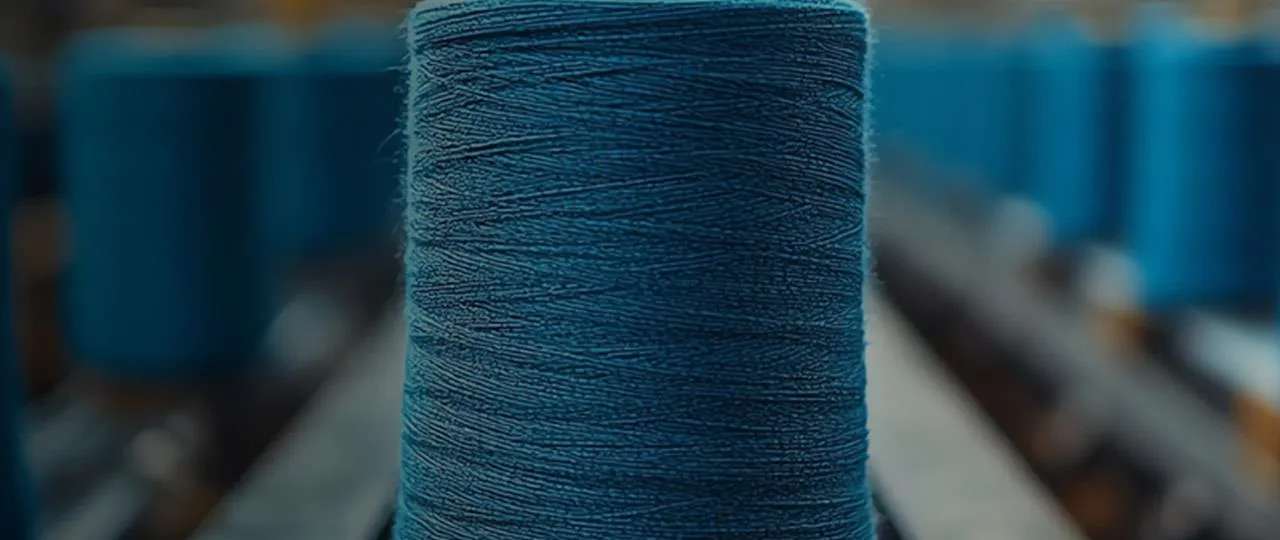
- Filament vs. Staple: Continuous filament yarns create a smoother, less porous surface. Staple (spun) polyester yarns, made from cut filaments, create a hairier, more open structure with inherently higher air permeability and a greater surface area for wicking.
- Microfiber: Defined as fibers with less than 1 denier per filament (dpf). By dramatically increasing the number of fibers and the total surface area in a given yarn, microfiber creates dense fabrics with exceptionally fine capillaries that can wick liquid moisture exceptionally well via capillary action, even though vapor transmission may be moderate.
- Yarn Twist: A higher twist level compacts the yarn, potentially reducing interstitial spaces in the fabric. A lower twist creates a bulkier, more open yarn that can enhance air permeability.
3.2. Fabric Construction: The Architecture of Airflow
This is the single most significant factor.
- Weave Patterns:
- Plain Weave: The tightest and most basic weave. Offers low air permeability but can be made in very light weights for some vapor passage.
- Twill Weave (e.g., 2/2): Creates a diagonal rib. The longer yarn “floats” allow for a slightly more open, flexible, and often more breathable fabric than a plain weave of the same yarn.
- Mesh/Open Weave: Specifically engineered with large, regular pores to maximize airflow.
- Knit Patterns: Generally offer superior elasticity and breathability to wovens.
- Single Jersey: A basic knit that can be tight or open. Breathability is good.
- Piqué, Lacoste, or Mesh Knits: Incorporate designed holes or a honeycomb structure to drastically increase air permeability, making them the gold standard for performance polo shirts and base layers.
- Fabric Density (Thread Count/Stitch Density): A higher density of yarns or stitches per inch reduces pore space, decreasing both air and vapor flow. Cover Factor is a calculated metric that quantifies this percentage of open space.
3.3. Finishing and Functional Treatments
- Moisture-Wicking Finishes: These are hydrophilic (water-loving) chemical treatments applied to the surface of the hydrophobic polyester fiber. They work by creating a gradient that pulls liquid sweat from the skin, spreads it across a wide fabric area (wicking), and enhances evaporation. They do not make the fiber absorbent.
- Hydrophilic Modifications: Newer technologies modify the polyester polymer itself to be more hydrophilic, improving its intrinsic moisture management.
- Coatings/Laminations: Waterproof or windproof membranes (e.g., PU, PTFE) are a classic trade-off. They can maintain high MVTR (if they are microporous) but will drastically reduce air permeability.
4. Comparative Data and Performance Tables
Table 1: Breathability Benchmarking by Common Polyester Fabric Type
Table 2: Impact of Engineering Variables on Breathability
5. Strategic Application: Matching Fabric to End-Use
- High-Intensity Sportswear: Prioritize high MVTR and high air permeability. Look for engineered mesh knits, lightweight microfibers with wicking finishes, and fabrics with a low cover factor. The goal is maximum evaporative cooling.
- Casual Apparel: Seek a balance. A staple polyester blend in a jersey or twill weave often provides excellent comfort, adequate breathability, and good durability at a competitive cost.
- Technical/Industrial Textiles: Requirements are specialized. For protective clothing, a balance between barrier protection and MVTR is critical to avoid heat stress.
- Home Textiles: For curtains and upholstery, air permeability is often more relevant than MVTR, affecting drape, air flow in a room, and comfort when in contact with skin.
6. Advanced Innovations and Future Trends
- Biomimetic Fabrics: Structures that mimic natural systems (e.g., leaf stomata, skin pores) to create adaptive breathability.
- Channeled or Cross-Sectional Fibers: Fibers with grooves (like a “+” or “C” shape) that create permanent capillary channels for superior wicking.
- Sustainable rPET: Recycled polyester performs identically to virgin polyester in terms of inherent breathability; its performance is determined by the same engineering variables outlined above.
7. Procurement Guidelines: Specifying for Breathability
Move beyond subjective claims. Your technical package should include:
- Quantitative Specifications: “Fabric must achieve a minimum MVTR (ASTM E96) of 2000 g/m²/24h and an air permeability (ASTM D737) of 30 cm³/s/cm².”
- Construction Details: Specify yarn type (e.g., 75D/144F microfiber), weave/knit pattern, and target GSM.
- Finish Requirement: “Must be treated with a durable moisture-wicking finish.”
- Request Data: Always ask suppliers for test reports from accredited labs to verify performance claims.
8. Conclusion: Breathability as a Value Proposition
The breathability of polyester is not a fixed property but a designable outcome. By understanding the interplay between yarn engineering, fabric architecture, and chemical finishing, professionals can precisely tailor fabric performance to the demands of any application.
In a competitive market, investing in genuinely breathable fabrics is an investment in consumer satisfaction, brand loyalty, and product differentiation. By applying the technical framework and specification rigor outlined in this guide, you can confidently source polyester fabrics that deliver on the promise of comfort and performance, turning a technical attribute into a compelling commercial advantage.