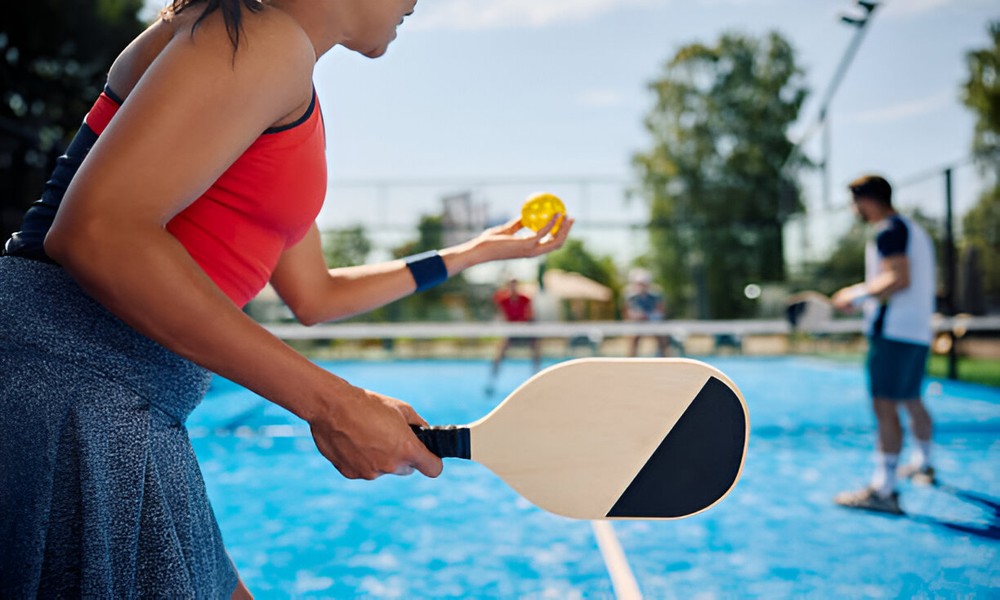
Pickleball gear often draws attention for surface texture and core materials. Many players study paddle faces before any other feature. But handle design shapes real control during long rallies. Grip comfort affects swing rhythm and stable contact. So smart players review handle details with care. The market shows many styles of pickleball paddles today. Each option promises speed and precision for competitive play. However hidden ergonomic factors often decide actual performance. Manufacturers such as Just Paddles continue guiding players toward better paddle selection through careful equipment knowledge and education.
Grip Size Shapes Control and Comfort
Grip size determines how the hand holds the paddle. A narrow grip forces excess finger pressure during quick shots. A wide grip restricts wrist motion and soft touch. Players feel fatigue early when grip balance fails. The correct diameter allows natural hand closure without strain.
Handle Length Influences Swing Mechanics
Handle length changes how the paddle moves through space. A shorter handle encourages compact strokes near the body. A longer handle supports extended reach and leverage. But balance shifts with every added inch of handle length.
Players who favor two handed backhands often prefer longer handles for support. Extra handle space allows both hands to align naturally. Meanwhile single hand players often choose moderate handle designs for quicker wrist action. Just Paddles frequently explains these differences when helping athletes evaluate paddle geometry.
Ergonomics and Long Match Endurance
Competitive matches often extend through long rallies and repeated serves. Hand strain slowly builds when equipment does not match player anatomy. Poor grip size forces muscles to overwork through each swing. Over time the forearm absorbs extra stress.
Ergonomic paddle handles distribute pressure across the entire hand. Balanced grips keep joints relaxed during constant play. Now players sustain consistent swing speed through demanding games. Equipment specialists at Just Paddles often emphasize these subtle design elements when discussing paddle comfort.
Finding the Right Balance for Personal Style
Every player develops a unique rhythm and court strategy. Some athletes value reach and power above all else. Others prioritize finesse and controlled placement near the net. Handle dimensions influence both styles in quiet ways. The correct grip size supports natural hand posture through each stroke. The correct handle length shapes leverage and reach. Together these factors build confidence in every swing.
Conclusion
Pickleball discussions often revolve around paddle cores and surface materials. Those features certainly influence ball response and durability. Yet handle design remains a hidden performance factor. Grip size determines comfort and long-term control. Handle length shapes leverage and swing mechanics. Thoughtful players examine these ergonomic details before entering competitive play. Proper handle fit transforms how the paddle feels in motion. Small adjustments can unlock better precision and endurance. A well-matched handle ultimately turns good technique into consistent results across every match.