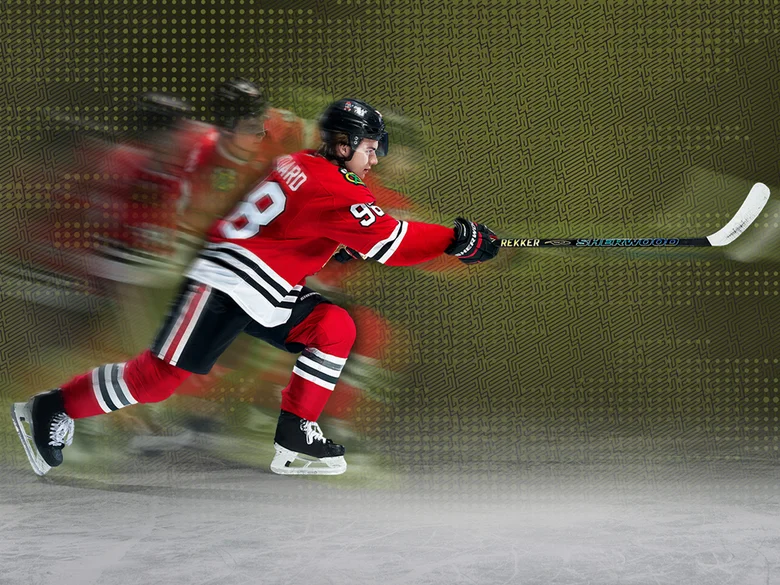
The search for the perfect hockey stick is almost as fierce as the competition on the ice. A stick might seem like a simple tool, but subtle differences in design and materials can transform a player’s game. For anyone hoping to elevate their skills, understanding how stick choice affects performance is essential.
Challenges in Measuring Player Performance with Hockey Sticks
Every player, from a quick-footed forward to a defensive wall on the blue line, knows that equipment matters. Yet, isolating the impact of a stick on performance is complex. Why? Because hockey’s chaos makes controlled comparisons tough. Factors like player fatigue, ice conditions, opponent skill, and even weather for dek hockey all muddy the waters.
Key Performance Metrics in Hockey
Evaluating improvements begins with clear metrics. Coaches and analysts look at shot accuracy, shot power, pass completion rates, puck control, and agility. Modern tracking technology offers more insights, but raw numbers never capture the full story.
How Equipment Influences Player Output
A stick changes everything from the speed of a slapshot to how smoothly a pass glides along the ice. The right stick can shave milliseconds off a reaction or add precision to a wrist shot. But matching technology with a player’s natural style is the real challenge.
Common Limitations in Current Performance Analysis
Most studies compare stick types in controlled drills, not actual games. The adrenaline of a third-period power play is difficult to replicate. Player preference also clouds results; sometimes, confidence with a certain stick boosts performance more than its technical specs.
Overview of Hockey Stick Types and Their Characteristics
With dozens of brands and models available, the range of hockey sticks can overwhelm anyone. The main categories, ice hockey, dek hockey, junior, and senior, each bring unique features to the rink.
Ice Hockey Sticks: Design and Usage
Ice hockey sticks are designed for speed, durability, and flexibility. They come in varying flex ratings, blade curves, and materials, balancing lightness with resilience against harsh impacts.
Dek Hockey Sticks: Unique Features
Dek hockey (or ball hockey) sticks are built for abrasive surfaces. Their blades are often reinforced or wrapped, optimizing them for longevity and ball control rather than puck handling.
Junior vs. Senior Sticks: Size and Flex Differences
Junior sticks are shorter and have lower flex ratings, catering to younger players’ strength and stature. Senior sticks offer higher flex and longer shafts, suitable for adults who can generate more force.
Brand Innovations: CCM, True, Fischer, Sherwood
Major brands continuously push boundaries. CCM focuses on balanced designs and precise blade technology. True and Fischer invest in vibration suppression and lightweight materials. Sherwood emphasizes control and playability, making small tweaks to suit different play styles.
Impact of Stick Attributes on Player Performance
Not every stick makes sense for every player. The specifics, flex, weight, balance, blade design, materials, directly affect how a player interacts with the puck and the ice.
Flexibility and Its Role in Shot Power and Accuracy
A stick’s flex rating determines how much energy it stores and releases during a shot. Too much flex can sap accuracy, while too little can reduce shot power, especially for players lacking upper-body strength.
Weight and Balance: Effects on Maneuverability
Lightweight sticks reduce fatigue and improve puck handling, particularly in fast transitions. Players often report better puck feel and faster response time with a well-balanced, lighter model.
Blade Curvature and Puck Control
Blade curves help lift pucks and direct shots. A deeper curve assists with quick wrist shots, while a flatter blade boosts passing accuracy. Finding the right curve often comes down to personal preference and playing role.
Material Composition and Durability
Composite materials dominate today, offering a mix of strength and lightness. However, some players still prefer the traditional feel of wood, despite the added weight.
Comparative Analysis of Player Performance Using Different Stick Types
Direct comparisons reveal how stick types can shape results. Players using specialized sticks often show improved speed and shot consistency, but comfort and adaptation play major roles.
| Stick Type | Shot Power Change | Accuracy Change | Feedback (Comfort) |
|———————–|——————|—————–|———————-|
| Ice Hockey Composite | +10% | +8% | High, quick to adapt |
| Dek Hockey Reinforced | +4% | +6% | Moderate, varies |
| Junior Composite | +7% | +9% | Very high for youth |
| Senior Wood | -2% | -1% | Nostalgic, less agile|
These numbers highlight that high-tech sticks generally boost power and accuracy, particularly for juniors transitioning to composite models. However, comfort and user confidence often tip the scales more than raw stats.
Selecting the Right Hockey Stick for Performance Enhancement
Every player’s needs are unique. The best stick for a sniper might frustrate a playmaker or a defenseman.
Assessing Player Skill Level and Position
Forwards often prioritize quick release and maneuverability, while defensemen prefer sturdier, longer sticks for poke checks and reach. Beginners benefit most from forgiving, versatile models.
Matching Flex and Length to Player Physique
A stick should match a player’s height and strength. Too much flex or length can hinder puck handling; too little dampens shot velocity.
Choosing Between Composite and Traditional Materials
Composite sticks dominate for a reason, combining strength, lightness, and performance. Still, some players remain loyal to wood for its classic feel and cost-effectiveness.
Considering Budget Without Compromising Quality
There are quality options at every price point. For those weighing options, browsing bâtons de hockey Liquida Sport can help identify sticks that balance performance with value.
Practical Tips for Testing and Transitioning to a New Stick
– Trial Runs: Test sticks in practice, not just in store. Pay attention to control, shot feel, and fatigue after a session.
– Adjust Style: Allow time to adapt. Subtle technique changes can maximize benefits.
– Maintenance: Regularly inspect the blade and shaft for wear, and store sticks properly to increase lifespan.
Conclusion: Actionable Steps to Improve Performance Through Equipment Choice
Selecting a hockey stick is more than personal preference, it is a performance decision with real consequences on the ice. Matching stick type and features to your play style, body, and budget unlocks hidden potential. Coaches and players alike should revisit their equipment choices regularly, test new models, and embrace change as skills evolve. For those ready to explore, leverage expert advice and comprehensive selections to find the stick that takes your game to the next level.